
At What Age Can You Start Wearing Contact Lenses? Not As Old As You Might Think!
By Julie Sennett
·3 min read
If you're a parent whose child is interested in contact lenses, or you're interested in contact lenses for your child, you may be wondering: "At what age can you start wearing contact lenses?" The answer is that there is no exact cutoff age for contact lenses. The age at which children can start wearing contact lenses depends mainly on other factors, which I will discuss in this article.
Medical disclaimer: I am not a doctor and this article is not a substitute for professional medical advice. Nor you, nor your children, are being prescribed contact lenses on this page. Please read Contacts Advice Terms of Use before continuing.
What Is The Maturity Level?
With great contact lenses comes great responsibilit — wait, that doesn't quite work... But to wear contact lenses, it does require a minimum level of responsibility. That is because in order to be successful in contact lenses, certain rules need to be followed. These rules include not over-wearing the contact lenses (maximum number of hours of wear-time per day), not sleeping in the contact lenses (generally speaking), not swimming or showering with the contact lenses (though there are exceptions to this), properly cleaning the lenses (for non daily-disposable lenses), properly inserting and removing the contact lenses, etc.

If you think you or your child is mature and responsible enough to comply with all of these rules, then age isn't really that important. Generally by ten years old, most people are able to start wearing contact lenses. But with that being said, there are definitely children younger than ten who would be ready for contact lenses, as there are many children older than ten who are still several years away from being ready.

What Is The Motivation For The Contact Lenses?
The motivation behind the contact lenses is huge. If children are highly motivated to wear contact lenses, even at young ages, they will be very compliant with all of the rules and responsibilities that come with contact lenses. If it's a child who loves sports but can't participate because of glasses, they may be willing to do whatever it takes to be able to play the sport they love. If it's a child who absolutely despises how they look with glasses, and will take them off in the classroom at the expense of being able to see, they will be very motivated to make contact lenses work for them.
That's why I would say that the motivation for the contact lenses is more important than the age. On the flip side, if the reason is that mom or dad doesn't like the idea of their child wearing glasses and so imposes contact lenses on them, it probably won't work out.
Choosing The Right Lens For The Right Age
Nowadays, there are many different types of contact lenses. In particular, there are more daily contact lens options now than ever before. For young children (under 12) and even in the low teens, daily contact lenses provide all the benefits of wearing contact lenses with a lot less hassle. One of the biggest sources of problems with contact lenses is improper care of the lenses and the lens case. Keeping the lenses clean, and hence safe and comfortable, requires proper cleaning and storing techniques, proper cleaning solution, etc. But with daily contact lenses — lenses that you throw away after 1 day of use — you can bypass all of these burdens. This means that with daily contact lenses, people can get into contact lenses much younger than in the days of yearly replacement lenses or hard contact lenses.
Dexterity Skills
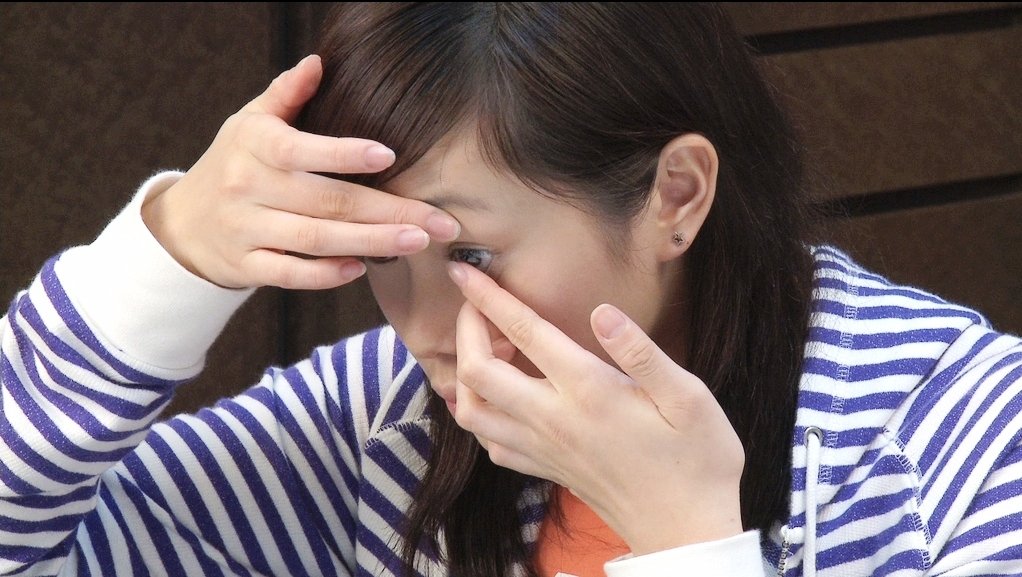
Lastly, to wear contact lenses you have to be able to put the contact lenses in and take them out of your eyes. If you or your child doesn't have the dexterity or the muscle coordination to perform these acts, you may have to wait a little until these skills develop. With practice these skills can be obtained quickly, but for some it may be a limitation.
In unique cases, contact lenses may be medically necessary for children who are too young to insert and remove them themselves. In situations such as these, it may be necessary for the parents to insert and remove the lenses until the child is old enough to do it on his/her own.
Summary
If you're interested in contact lenses for your child but you're still not sure if he/she is ready for them yet, discuss it with your eye doctor. You can always give it a try, and if it doesn't work out, try again the following year.
Looking for the lowest price on contact lenses?
Compare prices across 8 major retailers in seconds — always free, no account needed.
Compare Contact Lens Prices →